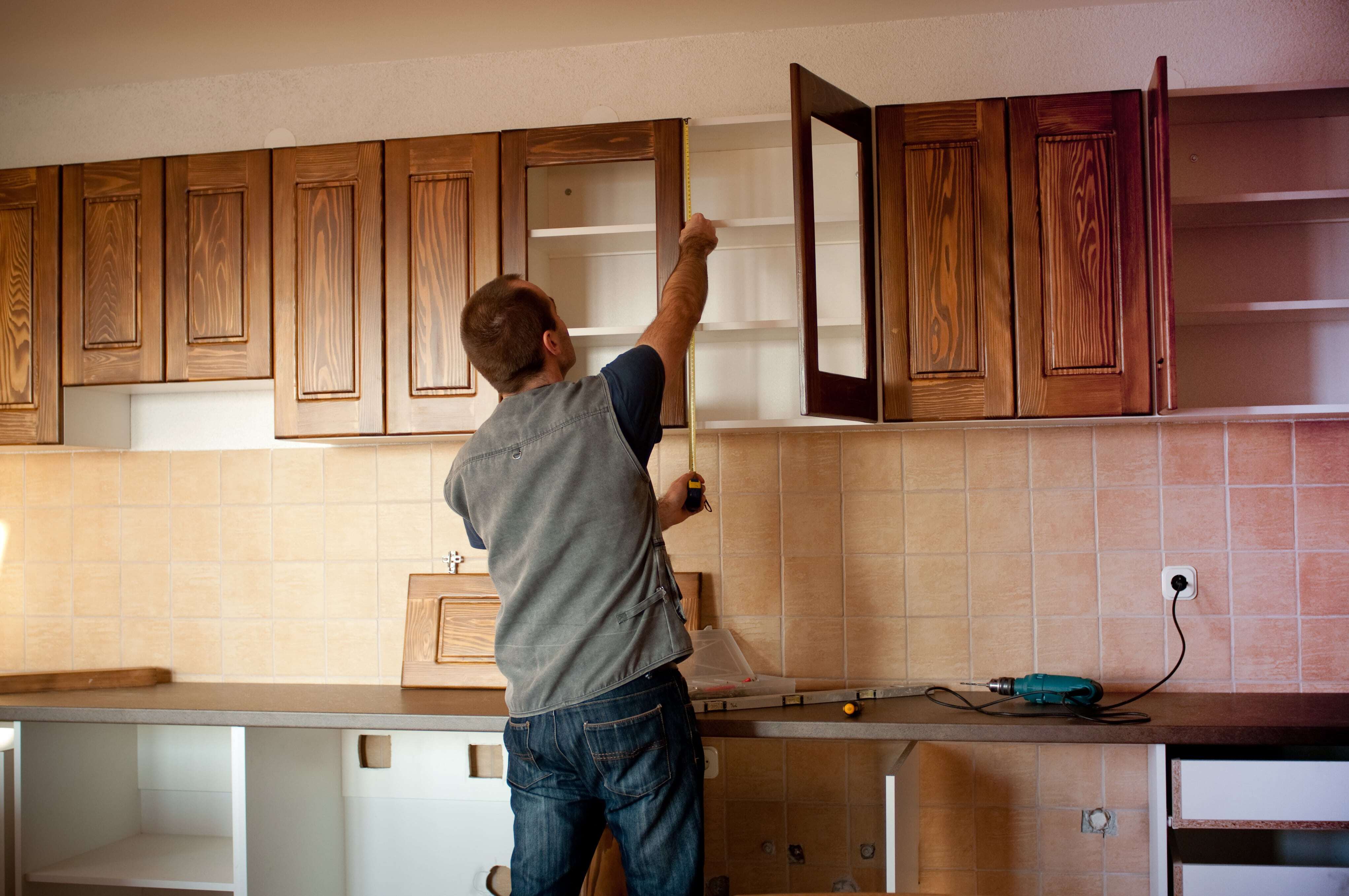
Your kitchen is often the heart of your home, but over time, even the most beloved spaces can start to show their age. Chipped cabinet doors, outdated finishes, or a general lack of luster can make you yearn for a complete overhaul. While the idea of a full kitchen demolition and cabinet replacement might seem tempting, it often comes with a hefty price tag and significant disruption. Fortunately, there’s a smarter, more sustainable, and incredibly cost-effective alternative: DIY Kitchen Cabinet Refacing. This guide will walk you through everything you need to know to transform your kitchen cabinets, delivering a fresh, modern look without breaking the bank or your back.
What Exactly is DIY Kitchen Cabinet Refacing?
Kitchen cabinet refacing is a renovation technique that revitalizes your kitchen's appearance by keeping the existing cabinet boxes intact while replacing all the visible components. Think of it as a significant cosmetic upgrade for your kitchen's core structure. Unlike a full cabinet replacement, which involves tearing out the entire cabinet framework, refacing focuses on giving your existing, structurally sound boxes a brand-new facade. This process typically involves:
- Removing old cabinet doors and drawer fronts.
- Applying new wood veneer or laminate to the exposed face frames of the cabinet boxes.
- Installing brand-new custom cabinet doors and drawer fronts.
- Updating hinges, pulls, and other hardware for a cohesive finish.
It's crucial to distinguish refacing from refinishing. While refinishing involves stripping and reapplying a new finish to your existing doors and drawer fronts, refacing provides a complete material and style change. You're not just repainting; you're getting entirely new doors that can dramatically alter your kitchen's aesthetic, from traditional to contemporary, without the intensive labor of sanding and stripping.
Why Choose DIY Cabinet Refacing? Benefits & Value
Opting for DIY kitchen cabinet refacing offers a compelling array of benefits, making it an increasingly popular choice for homeowners looking to refresh their space.
Significant Cost Savings
This is arguably the biggest draw. Full kitchen remodels and cabinet replacements can run into tens of thousands of dollars. By preserving your existing cabinet boxes, you save substantially on material costs, demolition, and labor. The bulk of your investment goes into new doors, drawer fronts, and hardware, which offer the most visual impact. For a DIYer, the labor savings are immense, as you're handling the installation yourself.
Time Efficiency
A full kitchen gut job can take weeks, if not months, leaving you without a functional kitchen for extended periods. Cabinet refacing, especially when done DIY, is a much quicker process. You can often complete the project in a matter of days or a few weekends, minimizing disruption to your daily life.
Sustainability
Refacing is an eco-friendlier option. By reusing your existing cabinet boxes, you reduce the amount of waste sent to landfills. It's a responsible choice that extends the life of functional materials, aligning with sustainable home improvement practices.
Dramatic Aesthetic Transformation
New doors and drawer fronts are the most visible elements of your cabinets. Replacing them instantly modernizes your kitchen's look, offering a dramatic transformation. You can choose from a vast array of styles, materials, and finishes – from sleek shaker to elegant raised panel, solid wood to durable thermofoil – to completely reinvent your kitchen's personality. New hardware further enhances this updated appeal, creating a cohesive and polished finish.
Customization & Style Versatility
One of the joys of refacing is the freedom to customize. You’re not stuck with stock sizes or limited styles. You can order custom-sized doors to perfectly fit your existing boxes, and select frame profiles, colors, and materials that align precisely with your design vision. Whether you're aiming for a farmhouse charm, a minimalist modern look, or a classic elegance, new doors provide the canvas for your creativity.
Is DIY Refacing Right for Your Kitchen? Key Considerations
While refacing is a fantastic option, it's not a one-size-fits-all solution. Before diving in, evaluate these key factors to ensure it's the right path for your home and your skill set.
Assessing Your Existing Cabinets
The success of refacing hinges on the condition of your current cabinet boxes. Before you commit, thoroughly inspect them:
- Structural Soundness: Are the boxes sturdy? Do they wobble or feel flimsy? Are the shelves sagging? If the core structure is compromised, refacing might not be the best long-term solution.
- Water Damage/Rot: Check for any signs of water damage, mold, or rot, especially under sinks and near dishwashers. These issues need to be addressed before refacing, as covering them up will only lead to bigger problems down the line.
- Layout Satisfaction: Refacing works best when you're happy with your current kitchen layout. If you dream of moving appliances, adding an island, or changing the fundamental flow, a full remodel might be more appropriate.
If your boxes are solid and your layout works, you're an excellent candidate for refacing!
Your DIY Skill Level
DIY cabinet refacing is a manageable project for many homeowners, but it does require a certain level of precision and comfort with basic tools. You’ll need to be proficient with:
- Accurate measuring: This is paramount for ordering correctly sized doors and veneers.
- Basic power tools: A drill, possibly a router for veneer edges, and a reliable screwdriver set.
- Patience and attention to detail: Aligning hinges, applying veneers smoothly, and ensuring a professional finish takes time and care.
Don't underestimate the importance of meticulous measurement and careful installation for a factory-finish look.
Budget & Cost Factors
While more affordable than replacement, costs can still vary. Factors influencing your refacing budget include:
- Number of Doors & Drawer Fronts: More cabinets mean higher material costs.
- Material Choice: Solid wood (e.g., maple, oak, cherry) will be more expensive than MDF, rigid thermofoil (RTF), or laminate.
- Door Style & Finish: Intricate door profiles or specialized finishes can increase costs.
- Custom vs. Stock: Custom-sized doors offer perfect fit but cost more than stock options.
- Hardware: New hinges and pulls range widely in price, from budget-friendly to high-end designer pieces.
- Veneer for Boxes: The cost of wood veneer or high-quality paint for your cabinet face frames.
The DIY Refacing Process: Step-by-Step Overview
Ready to embark on your kitchen's transformation? Here's a simplified guide to the DIY refacing process:
1. Planning & Design
This is where your vision takes shape. Decide on your desired door style, material, color, and finish. Consider how these choices will integrate with your existing flooring, countertops, and wall color. Browse online galleries and order samples to make informed decisions. A crucial part of this stage is meticulous measurement. Measure every single door and drawer front opening with precision, noting width, height, and hinge bore locations if reusing existing hinge styles or needing new ones drilled accurately.
2. Ordering Custom Doors & Materials
Once your measurements are double-checked and your design choices finalized, it's time to order. Many online suppliers specialize in custom cabinet doors and drawer fronts, allowing you to specify exact dimensions, hinge boring, and finishes. Don't forget to order new hinges (soft-close is a popular upgrade!), drawer slides (if replacing existing ones), and all your new decorative hardware (pulls and knobs).
3. Preparation
With your new materials on the way, prepare your kitchen. Empty all cabinets and drawers. Carefully remove all existing doors, drawer fronts, and hardware. Label everything if you plan to reuse any components temporarily. Thoroughly clean your cabinet boxes, removing grease and grime. Lightly sand any painted or finished surfaces on the face frames to ensure good adhesion for veneer or paint. Make any necessary repairs to the cabinet boxes at this stage.
4. Refinishing Cabinet Boxes (Optional/Necessary)
This step is critical for a seamless finish. For partial overlay doors or inset doors, the cabinet face frame will be visible. You have two main options:
- Apply Veneer: This involves cutting and meticulously applying wood veneer or laminate to the exposed face frames of your cabinet boxes. This technique offers a professional, factory-finished look that matches your new doors.
- Paint: Alternatively, you can paint the face frames to match or complement your new doors. This is often an easier DIY option but requires careful prep work (sanding, priming) for durability.
Ensure the chosen method creates a cohesive look with your new doors.
5. Installation
This is the exciting part! Begin by installing any new drawer slides. Next, attach the new hinges to your new doors, ensuring they are oriented correctly (left or right, overlay amount). Then, carefully mount the new doors to your cabinet boxes. This step requires patience and a good level to ensure doors are plumb, level, and have consistent gaps between them. Finally, install your new drawer fronts and decorative hardware. Take your time to make small adjustments for perfect alignment, which makes all the difference in the final look.
Tools and Materials You'll Need
A successful DIY refacing project relies on having the right tools and materials on hand:
Essential Tools:
- Measuring Tape: High-quality, accurate tape is non-negotiable.
- Power Drill/Driver: For installing hinges and hardware.
- Screwdriver Set: Both Phillips and flathead.
- Level: Critical for perfectly aligned doors.
- Clamps: Useful for holding veneer in place or assisting with installations.
- Utility Knife & Straightedge: For cutting veneer precisely.
- Sandpaper/Sanding Block: For prepping cabinet frames.
- Cleaning Supplies: Degreaser, rags.
- Safety Glasses & Gloves: Always protect yourself.
Key Materials:
- New Cabinet Doors & Drawer Fronts: Custom-ordered to your specifications.
- New Hinges: Often soft-close for a modern touch.
- New Drawer Slides (Optional): If upgrading or replacing existing ones.
- Decorative Hardware: Knobs and pulls.
- Wood Veneer or Laminate: For cabinet face frames, or high-quality paint and primer.
- Veneer Adhesive/Contact Cement: If applying veneer.
- Wood Filler/Putty: For minor repairs to cabinet boxes.
DIY Kitchen Cabinet Refacing is a powerful and practical solution for homeowners craving a kitchen refresh without the expense and upheaval of a full renovation. By carefully planning, accurately measuring, and taking your time with installation, you can achieve stunning, professional-looking results that dramatically enhance the beauty and value of your home. It's a sustainable choice that puts design flexibility and cost control squarely in your hands, allowing you to enjoy a "new" kitchen you're truly proud of.